



An aftermarket modification can change more than how your vehicle looks or drives—it can change how an insurer views the risk and value of that vehicle. How aftermarket modifications affect your auto insurance coverage depends on the type of change, how it is installed, and whether your insurer knows about it.
Many drivers assume that only major engine work matters, but even a new set of wheels or an aftermarket sound system can influence your policy. Before you bolt on a part or schedule a custom paint job, it is worth understanding how insurers evaluate these changes and what you can do to stay fully protected.
Understanding Aftermarket Vehicle Modifications
Definition and Scope of Modifications
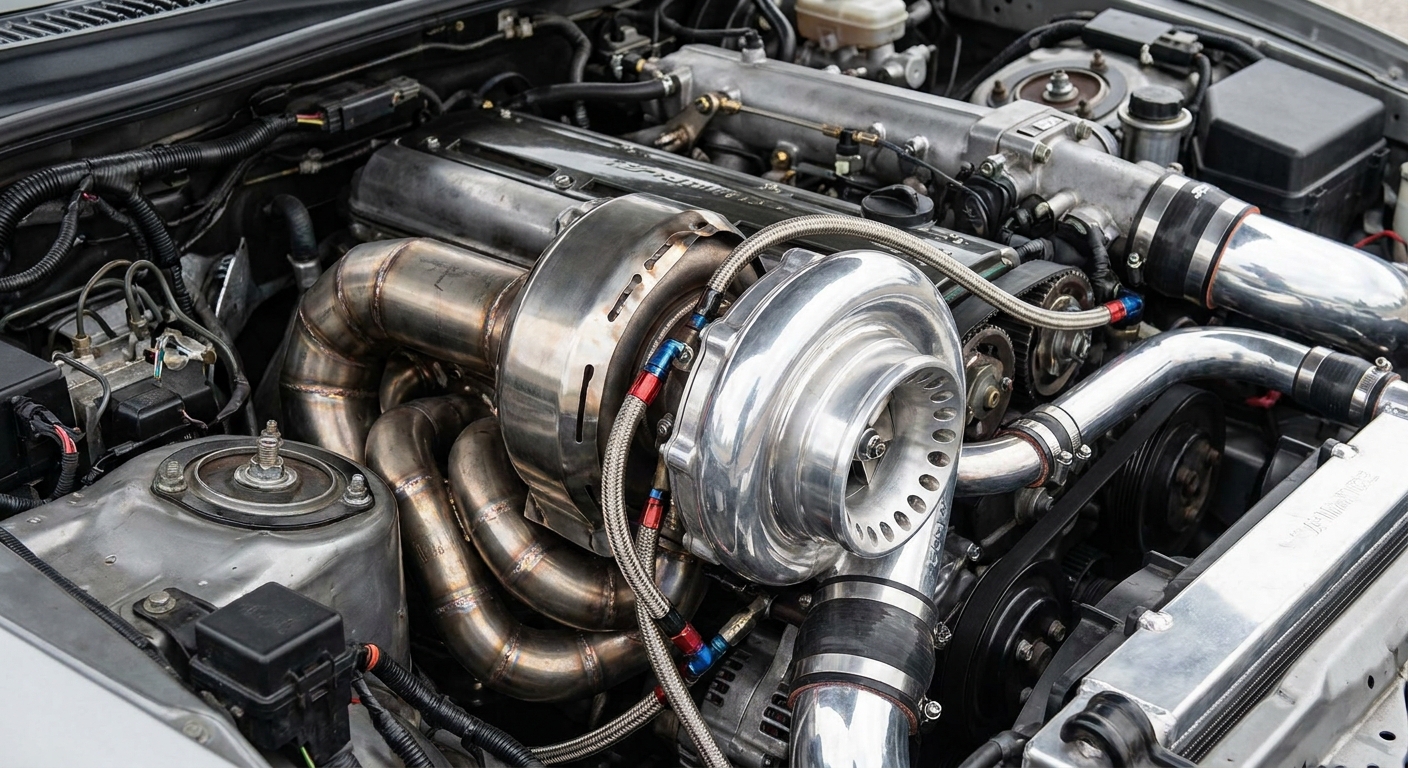
In insurance terms, a modification is any change to a vehicle that differs from the original manufacturer’s specifications. This includes performance upgrades like turbochargers, exhaust systems, and suspension changes; aesthetic updates such as custom paint, body kits, and alloy wheels; and functional additions like wheelchair ramps, upgraded sound systems, or backup cameras. Even tinted windows and roof racks count as modifications.
- Performance modifications: turbochargers, exhaust systems, suspension changes, engine tuning.
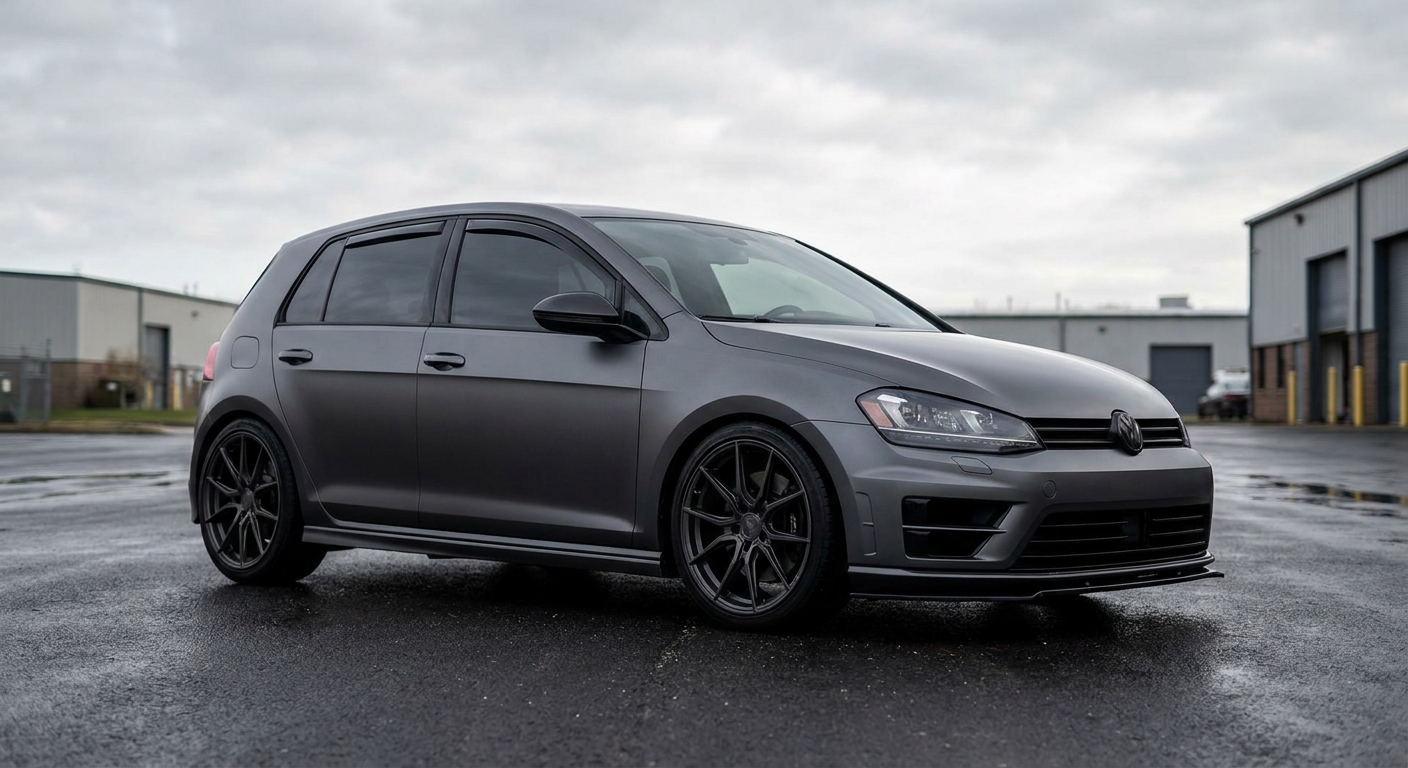
- Aesthetic modifications: custom paint, body kits, alloy wheels, tinted windows.
- Functional modifications: wheelchair ramps, upgraded sound systems, backup cameras, roof racks.
If the part was not installed on the factory assembly line, an insurer will likely want to know about it. The scope is broad, and the definition does not depend on whether you did the work yourself or hired a professional. What matters for your policy is that the vehicle is no longer in its original condition.
Why Insurers Care About Modifications
Insurance companies base premiums and coverage decisions on the risk and value of the vehicle as it leaves the showroom. A modification changes both. Some changes increase the likelihood of theft because they make the vehicle more attractive or easier to target. Others raise repair costs because aftermarket parts may be more expensive to replace or require specialized labour. Performance upgrades can also increase accident risk if they boost speed or alter handling.
An insurer cannot accurately price a risk it does not know about. When you modify a vehicle without telling your insurer, you create a gap between what the policy assumes and what is actually on the road. That gap can lead to reduced payouts, denied claims, or a cancelled policy.
Types of Modifications and Their Insurance Implications
Performance Enhancements and Increased Risk
Performance modifications are the changes most likely to raise a red flag with insurers. Engine tuning, turbochargers, superchargers, upgraded exhaust systems, and suspension changes can all increase horsepower or change how the vehicle handles. From an insurer’s perspective, these changes may increase the chance of a collision or make the vehicle more challenging to control in an emergency.
Even modifications that improve braking or stability can affect your policy, because the insurer needs to confirm that the parts meet safety standards and were installed correctly. Some performance upgrades may be excluded entirely under a standard auto policy, which means you would need a specialty policy to have them covered.
Aesthetic and Cosmetic Changes
Custom paint, body kits, aftermarket wheels, and interior upgrades do not usually change how a vehicle performs, but they can significantly increase its value. That higher value means a larger potential payout if the vehicle is stolen or written off. It also makes the vehicle more attractive to thieves, especially if the modifications are visible and expensive.
Standard policies often limit coverage for aftermarket parts or exclude them altogether. If you spend a substantial amount on cosmetic upgrades, you should verify that your policy’s limit for non-factory equipment is high enough to replace those parts.
Functional Modifications for Accessibility or Utility
Some modifications serve a practical purpose. Wheelchair ramps, hand controls, swivel seats, and roof racks for cargo or recreational equipment fall into this category. These changes may not increase accident risk, and some safety additions like backup cameras or anti-theft systems can even reduce it. However, they still change the vehicle’s value and repair profile.
The key is to document these modifications and notify your insurer. While a ramp or lift may be necessary for daily life, it is also expensive to replace and may require specialized repair after a collision. An insurer needs to know about it to include that cost in your coverage.
How Modifications Affect Premiums and Coverage
Premium Adjustments Based on Modification Risk
There is no universal rule for how a specific modification will change your premium. Insurers look at three main factors:
- The likelihood of theft: a high-end sound system or custom wheels may increase your premium because they make the vehicle a bigger target.
- The cost of repairs: aftermarket parts may be more expensive to replace or require specialized labour.
- The potential for accidents: a performance chip that adds horsepower may raise premiums due to higher accident risk.
Because different insurers treat the same modification differently, the premium impact can vary. A backup camera or alarm system may lower premiums because it reduces risk. That is why it helps to compare options after you have decided on a modification, rather than assuming every company will react the same way.
Potential Coverage Limitations or Exclusions
Most standard auto insurance policies are written for factory-spec vehicles. They often include a limited amount of coverage for aftermarket parts, sometimes as low as a few thousand dollars or even nothing beyond basic equipment. If your modifications exceed that limit, you could be out of pocket for the difference after a total loss or theft.
Some modifications are excluded altogether. High-performance engine swaps, nitrous systems, or structural changes may be considered too risky for a standard policy. In those cases, you may need a specialty policy or an endorsement that specifically covers the modified components.
Impact on Vehicle Valuation and Claims
When you file a claim, the insurer will assess the vehicle’s actual cash value based on its condition and equipment. If you have not documented or disclosed your modifications, the insurer may value the vehicle as if those parts were never installed. That means you could receive far less than what you invested. Conversely, if the modifications have increased the vehicle’s value and the insurer knows about them, your payout can reflect that higher amount—provided your policy includes the proper coverage.
For extensive modifications, an agreed value policy can protect you from depreciation and under-valuation. We will cover that option in a later section.
Legal and Regulatory Considerations for Modified Vehicles
Mandatory Vehicle Safety Standards
Every jurisdiction has vehicle safety regulations that set minimum standards for equipment, lighting, emissions, and structural integrity. A modification that violates these standards can make your vehicle illegal to operate on public roads. For example, certain types of tint, suspension changes, exhaust modifications, or lighting alterations may require an inspection or certificate before the vehicle can be driven.
Before you install any modification, check whether it is permitted under the motor vehicle safety regulations that apply where you drive. If a modification does not meet these standards, your insurer may refuse to cover the vehicle altogether, even if the rest of your policy is in good standing.
Insurance Provider Notification Obligations
Your insurance policy is a contract based on the information you provided when you applied. When that information changes, you have a duty to inform your insurer. This duty is not optional, and it does not shift to the insurer to investigate whether you have made changes. If you install a modification, modify its performance, or purchase a vehicle that has already been modified, you are responsible for telling your insurer.
Notification should happen before the modification is installed whenever possible. Some changes may require a new policy or an endorsement, and you want to know that before you spend the money and hit the road.
Consequences of Non-Compliance
If you modify a vehicle and fail to disclose it, the consequences can be severe. An insurer may deny a claim after an accident, even if the modification had nothing to do with the loss. The insurer may also cancel your policy, which makes it harder and more expensive to get coverage in the future. If the vehicle is pulled over and found to be non-compliant with safety standards, you could face fines, an inspection order, or have the vehicle taken off the road.
In short, the legal and financial risks of hiding a modification almost always outweigh the short-term savings of a lower premium.

The Importance of Disclosing Modifications to Your Insurer
When to Disclose Modifications
Disclose a modification as soon as you know it is going to happen—ideally before the work is done. If you buy a used vehicle that already has aftermarket parts, ask the seller for a full list and share that list with your insurer before you finalize the purchase. The same applies if you add something months or years after the policy starts.
Do not wait until renewal. A modification that happens halfway through your policy term can leave you underinsured for the rest of that term if you delay reporting it.
Risks of Non-Disclosure: Claim Denial and Policy Cancellation
Non-disclosure is one of the most common reasons a modified vehicle claim is denied. If you crash, have your car stolen, or suffer fire damage, the insurer may investigate whether the vehicle was in the same condition as described in the application. A hidden turbocharger, a body kit, or even an unreported set of expensive wheels can be enough for the insurer to say the policy was misrepresented.
That can leave you paying for repairs or replacement out of pocket. In some cases, the insurer will not just deny that one claim—it will cancel the policy entirely, which goes on your record and affects your ability to get insurance elsewhere.
How to Properly Document and Report Changes
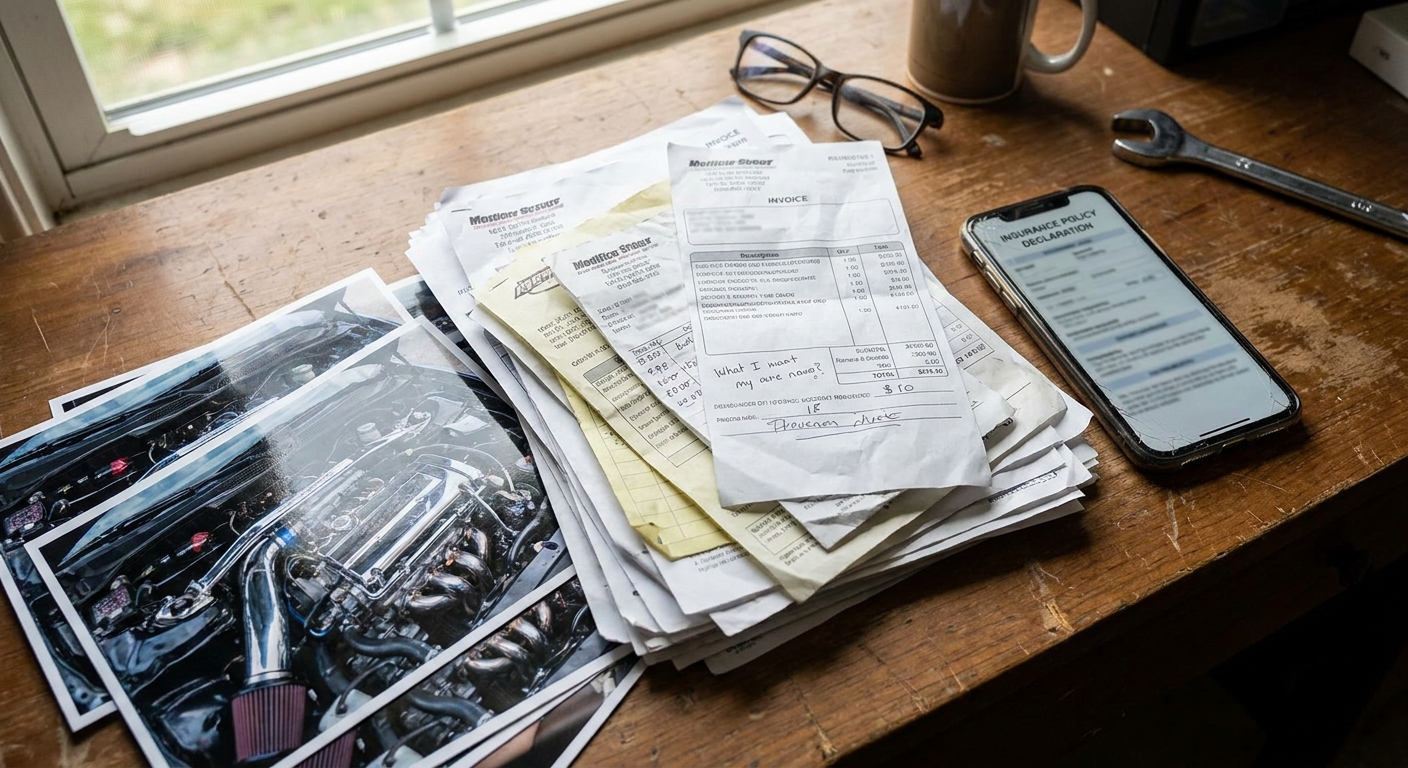
When you report a modification, give your insurer or broker the details: what was changed, the brand and model of the parts, the purpose of the modification, and what it cost. Keep receipts, invoices, and photos of the installation. If the modification required a professional installation, keep the installer’s report or work order.
This documentation serves two purposes:
- It proves that you disclosed the change.
- It establishes the value of the parts if you need to make a claim later.
Without it, an insurer may have no basis to include the modification in a settlement.
Insuring Modified Vehicles: Specialty and Agreed Value Options
Specialty Insurance for High-Performance or Custom Vehicles
If your vehicle has extensive modifications, a standard auto policy may not be enough. Specialty insurers or specialty endorsements are designed for vehicles that differ significantly from factory specifications. These policies typically offer higher limits for aftermarket parts and may cover performance upgrades, custom paint, and bespoke interiors that standard insurers would exclude.
Specialty coverage is not just for show cars. It can also apply to heavily modified daily drivers, lifted trucks, or vehicles used for motorsports events. The underwriting process is often more detailed, but the result is coverage that actually matches the vehicle you drive.
Agreed Value Policies: Protecting Your Investment
An agreed value policy is different from a standard actual cash value policy. With agreed value, you and the insurer set the vehicle’s total value upfront, including the modifications. If the vehicle is stolen or declared a total loss, the payout is that agreed amount, minus any deductible. There is no depreciation negotiation after the fact.
This is especially valuable for owners who have invested heavily in custom work. Without agreed value, a highly modified vehicle may be valued using a book value that ignores the modifications entirely, leaving you thousands of dollars short.
Choosing the Right Coverage for Your Modified Vehicle
Start by listing every modification, its cost, and its purpose. Then ask your insurer or broker what is covered under your current policy, what limits apply, and what endorsements are available. Compare that with specialty options. Some insurers may allow a modified vehicle on a standard policy with an endorsement for aftermarket parts; others may require a separate specialty policy.
Because we work with multiple insurers who have different views on aftermarket parts, we can help you compare how each one treats your specific modifications rather than settling for a one-size-fits-all answer.
Practical Steps to Protect Yourself and Your Vehicle
Maintain Detailed Records of Modifications
Keep a file for every aftermarket part you add or change. Include the purchase receipt, the manufacturer’s description, the installation invoice, and dated photos of the part before and after installation. Update the file whenever you make another change. This record is your best evidence of value and disclosure if a claim or dispute ever arises.
Regularly Review and Update Your Policy
Your coverage needs change as your vehicle changes. At least once a year, review your policy limits for aftermarket parts and confirm that the vehicle description is accurate. If you have added or removed a modification, tell your insurer right away and ask for a revised confirmation in writing. A policy that was perfect two years ago may no longer match the vehicle in your driveway today.
Consult with an Insurance Professional
Modified vehicle coverage is not a one-size-fits-all product. An insurance professional can walk you through the options, explain which modifications are likely to raise concerns, and help you find a policy that protects both the vehicle and the money you have put into it.
If you are planning a modification or already have one, contact us to review your current coverage and explore options that reflect the true value of your vehicle.